Archeology
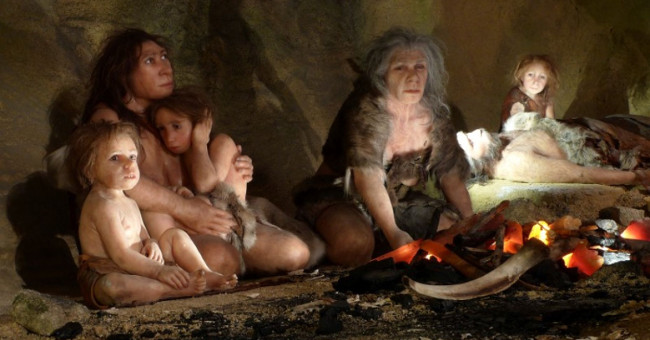
The reason the human ancestors gave up cannibalism
The new study shows that human flesh has less nutritional value than other animals, while much harder to hunt for prehistoric humans.
Browse ScienceInfo articles and explainers related to Human Ancestor.
68 published items.
The new study shows that human flesh has less nutritional value than other animals, while much harder to hunt for prehistoric humans.
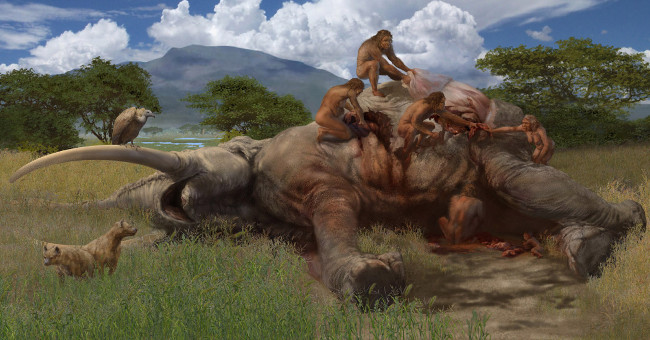
The story of people becoming ambitious carnivores began 65 million years ago.

People in evolution have lost their tails. However, a recent study shows that we have lost the tail, not just one but twice.
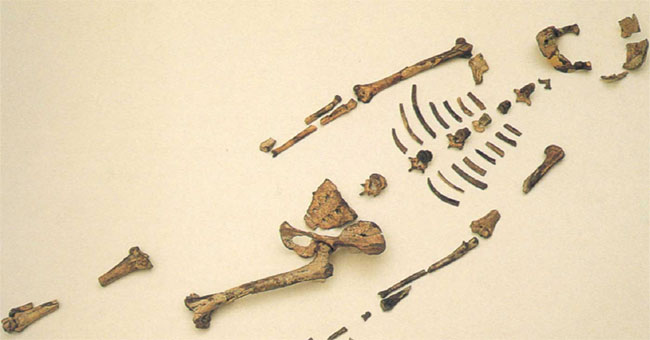
This is probably the trade-off between muscle development and brain size during human evolution.
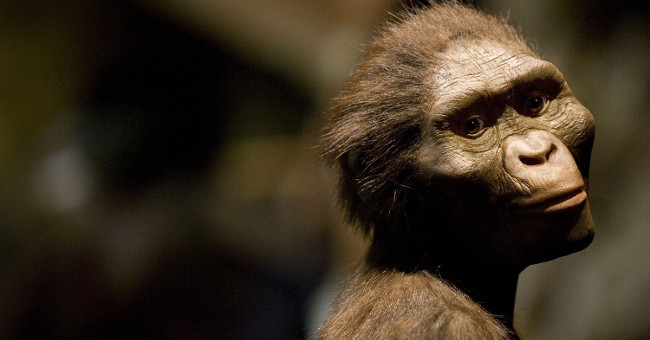
According to the Sun, world media today unveiled the announcement of American scientists about the cause of Lucy's death - the human ancestor after 42 years of no explan…
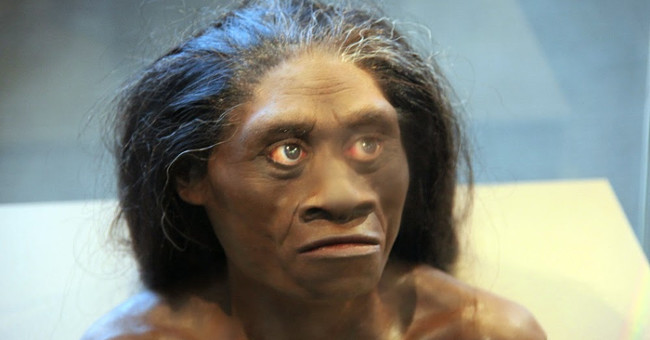
According to a recent study, prehistoric dwarfs who lived in Indonesia many thousands of years ago may have been wiped out by the first modern humans.

The ancient Neanderthal breed has left modern humans (Homo sapien) not only some good genes against disease, but also their allergies.

The Natural History Museum Senckenberg in Frankfurt, Germany has exhibited

The common ancestor of all human beings can own tentacles, according to the latest research by a Russian scientist.
By identifying the DNA sequence of 2636 inhabitants in Iceland, scientists have identified the role of gene mutations for all diseases that modern humans may have. At th…
Human ancestors evolved to consume ethanol in fermented fruits about 10 million years ago, before modern humans knew how to produce alcohol.
Ancient ancestors of humanity had to cope with climate change to survive droughts, cold and flooding.

The hominin, our ancient ancestor, must be attracted by the terrain of the rocky uplands and these topographic canyons giving them shelter and many opportunities to trap…
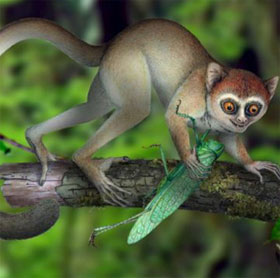
Scientists have found the world's oldest surviving primitive skeleton, considered the first ancestor, containing missing links in human evolution.
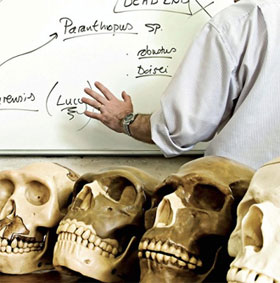
The new theory of evolution is highly controversial, including the hypothesis that human ancestors were aquatic primates that had more authentic evidence.